

























knowlify
Cursor for Animated Videos
Knowlify Thinks Your Docs Deserve Better Than a Slide Deck
The Macro: Everyone Has Docs. Nobody Watches Them.
There is a specific kind of organizational sadness that happens when a product manager spends three days writing a thorough onboarding doc and then watches it collect dust in Notion while new hires ask the same five questions on Slack anyway. The doc isn’t the problem. The format is.
Video has been the obvious answer for a long time. Explainer videos get watched. They get shared. They land better in async-first teams where no one is sitting through a 45-minute walkthrough call. The problem is that making them well has historically required either money (an agency or in-house motion designer) or time (learning the tools yourself) or both.
The productivity software market is enormous and still expanding. According to multiple market research sources, it was valued somewhere between $62.5 billion and $71 billion in 2024, with projections pointing north of $140 billion by the early 2030s depending on who you ask. AI is pulling a lot of that growth. Tools that automate previously skilled work are the growth story right now, and video production is a clean target.
The AI video space specifically has gotten crowded fast. Synthesia handles talking-head corporate video. Runway and Pika are going after cinematic generation. HeyGen sits somewhere in the middle. What’s been harder to crack is the niche of structured, animated explainers tied directly to documentation and internal knowledge, the stuff teams actually need to produce at volume. Chronicle 2.0 is making a similar bet on taste and structure in AI presentations, and there’s real appetite for tools that take a more opinionated approach to business communication formats rather than just giving you a blank canvas.
The teams that need this most are growing software companies, ops-heavy businesses, and anyone running a learning and development function without a video budget. That’s a lot of people.
The Micro: Docs In, Animated Video Out
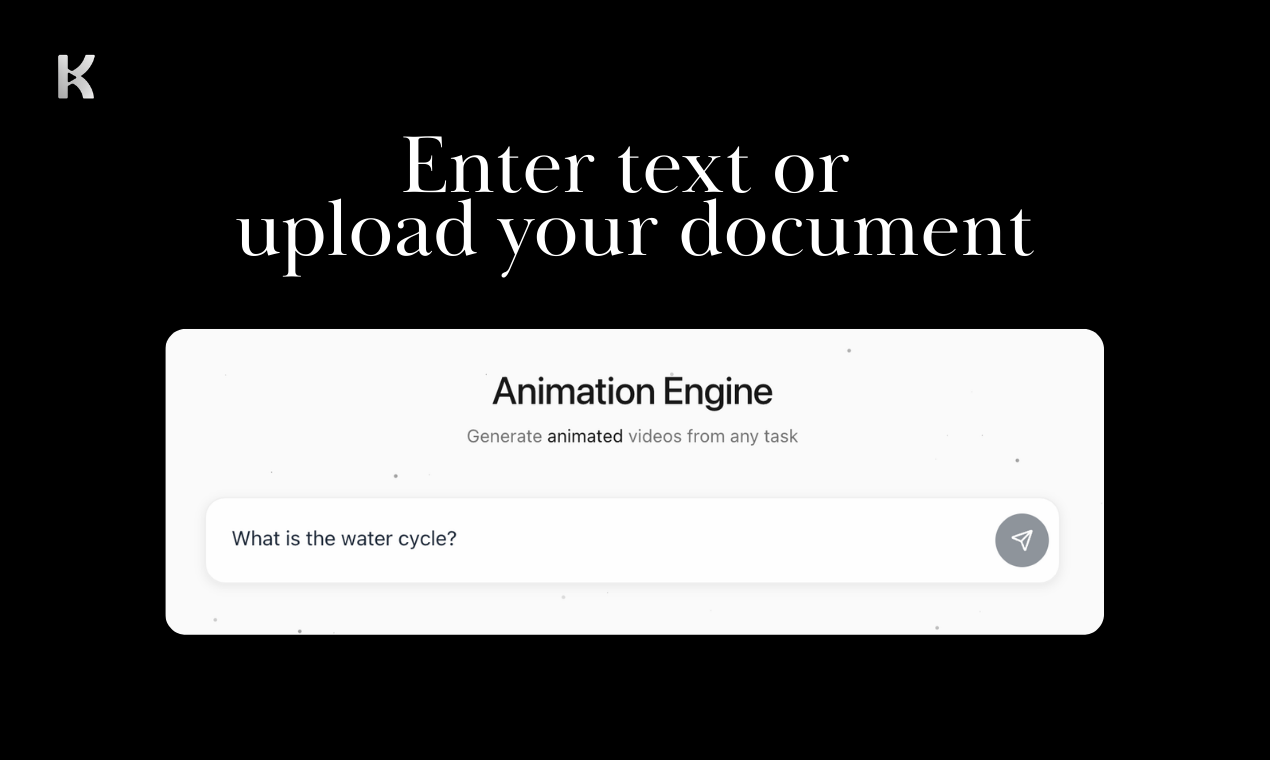
Knowlify’s pitch is direct: give it a document and it produces a premium animated explainer video. The tagline is “Cursor for Animated Videos,” which is doing real work here. Cursor succeeded by taking something developers already had (code, context, intent) and making the tool fit around that rather than asking developers to change their behavior. Knowlify is claiming a similar workflow logic for video production.
The implied promise is that you don’t start from a blank timeline. You start from something you already wrote.
The output is positioned as animated, not avatar-based or screen-recorded. That’s a meaningful distinction. Avatar videos (someone’s AI face reading a script) have a ceiling on where they can be used without looking cheap. Screen recordings are useful but have a different energy. Animated explainers have historically been the format companies pay real money for because they travel well across contexts, look considered, and don’t age as badly.
Knowlify is built for teams, not individual creators, which tells you something about where they see the revenue. This isn’t a prosumer tool competing with Canva. The pitch is more like: your team is producing recurring explainer content, and right now that’s either expensive or inconsistent. We make it faster and more consistent. That’s a B2B SaaS argument, and it’s a cleaner one than trying to be everything to everyone.
The team is a YC S25 cohort company, which confirms at least one external validator has kicked the tires. According to a LinkedIn post from co-founder and CEO Ritam Rana, the company raised $3 million. The founding team includes Jonathan Maynard, who reportedly started coding at 11 building game engines, alongside Ritam Rana, Arjun Talati, and Ritvik Varada as CTO. It got solid traction on launch day.
I’d want to actually watch a video it produces before forming a strong view. The quality bar on animated content is real, and “premium” is a word that gets used in a lot of pitch copy. Tools like Visual Translate by Vozo have shown that AI-generated video quality is advancing quickly, but the gap between demo and production output still matters.
The Verdict
The core argument Knowlify is making is sound. There is genuine unmet demand for fast, consistent, high-quality animated explainers at the team level, and the doc-to-video workflow makes intuitive sense as an entry point. YC backing and a $3 million raise give them runway to build toward that.
What I’d watch at 30 days is whether the output quality holds up outside of cherry-picked demos. That’s where AI video tools tend to differentiate. At 60 days, I’d want to know if teams are actually using it for repeat production or just kicking the tires once. The “built for teams” positioning lives or dies on recurring use.
At 90 days, the real question is retention and whether their definition of “premium” matches what paying customers expect when they sit down to send a Knowlify video to their actual users.
CoChat and tools like it have shown that team-facing AI products need to earn adoption at the workflow level, not just the feature level. Knowlify has a clear workflow in mind. Whether the output earns a permanent spot in how teams communicate is what this year is for.