














easyclaw
Easy installer for OpenClaw agents across all your chat apps
OpenClaw for Humans: EasyClaw Bets the Hard Part Was Always the Setup
The Macro: The AI Agent Space Has a Plumbing Problem
Here’s the thing about the AI productivity boom: the market numbers are genuinely enormous — AI productivity tools sat at roughly $8.8 billion in 2024 and are projected to hit somewhere north of $36 billion by 2033, per Grand View Research — but most of that growth is being captured by tools that still assume their users can read a stack trace without crying. The gap between “AI agents are incredibly powerful” and “a normal person can actually run one” remains embarrassingly wide.
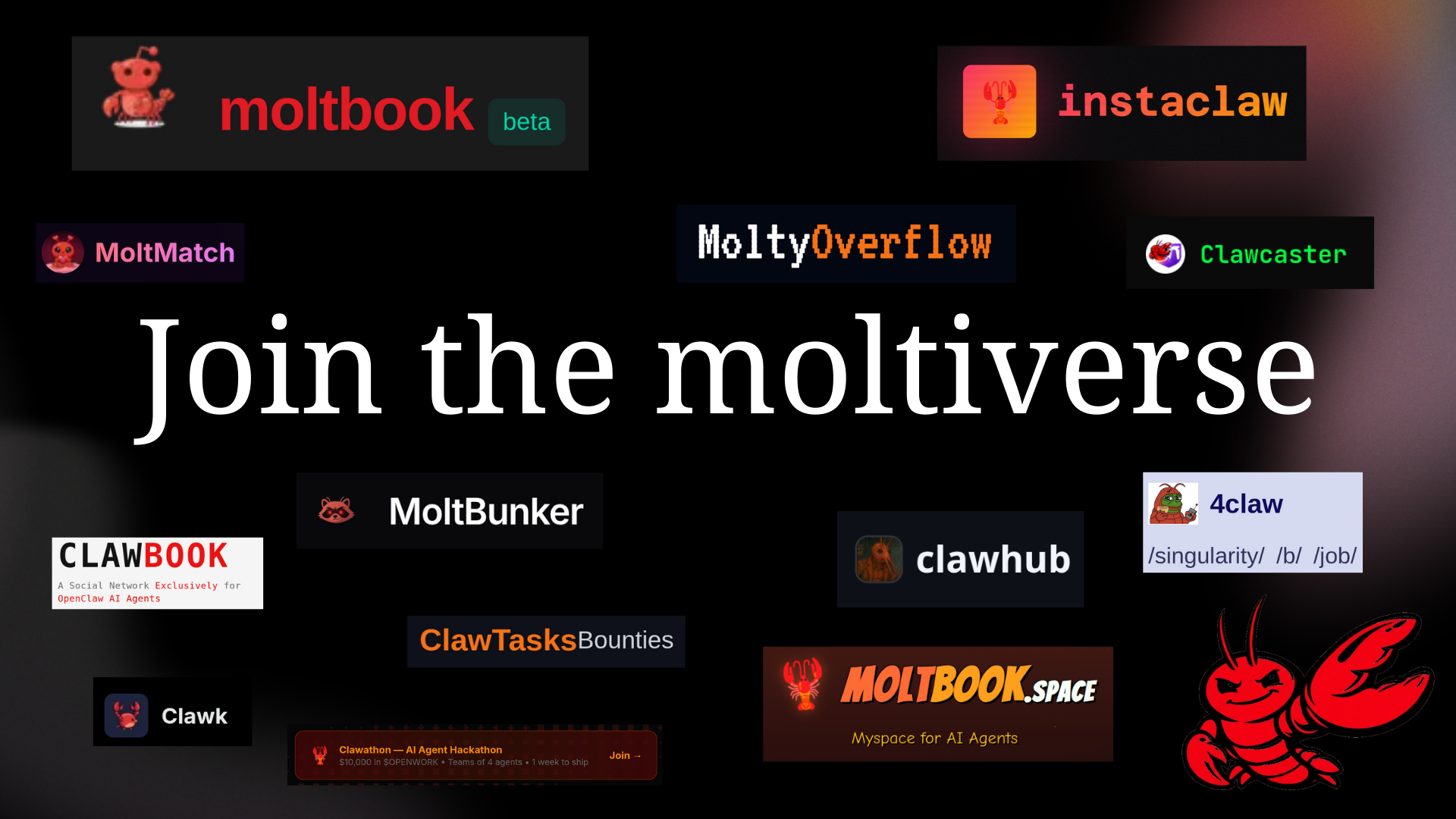
The autonomous agent space specifically has coalesced around a handful of projects — AutoGPT, OpenClaw, and a growing constellation of forks and wrappers — that are genuinely impressive if you know what Docker is and have an afternoon free. If you don’t, you’re reading GitHub issues at midnight and questioning your life choices. EasyClaw is positioning itself directly in that gap, alongside a handful of others in the same trench: SimpleClaw, PAIO, MyClaw, and whatever ClawHost is doing. The interesting thing isn’t that EasyClaw exists — of course it does — it’s whether the abstraction layer it’s offering is thick enough to matter.
The timing argument is real, which, look, I don’t say that often. OpenClaw and its derivatives have reached the stage where the underlying capability is credible but the installation experience is still a hazing ritual. That’s historically when the “easy mode” wrapper wins. It happened with Linux distributions, it happened with Git clients, it’s probably happening here. The question is whether EasyClaw is the one that sticks, or just the one that shipped first to Product Hunt.
The Micro: One Command, Four Messaging Apps, Allegedly 3,000 Skills
EasyClaw is, as described on its own site, “an easy mode runtime and UI layer built on top of OpenClaw, designed to turn long-lived AI agents into personal digital butlers.” That framing is doing real work. It’s not trying to be OpenClaw — it’s trying to be the thing that makes OpenClaw not require a computer science degree to operate.
The core product is a Mac desktop app (Mac only, notably — no Windows version is prominently advertised) that handles the installation of ClawdBot, MoltBot, and OpenClaw via a single command. Once running, it connects your agents to WhatsApp, iMessage, Signal, and Telegram, plus a longer tail of integrations — Gmail, Slack, GitHub, Notion, Google Calendar, Figma, Jira, and reportedly 500+ more via what appears to be a Composio-powered integration layer (the logo assets on the site are pulled directly from the ComposioHQ open-logos repo, which is not subtle). New users reportedly get 4.5 million tokens included, which is a meaningful on-ramp if it’s real.
The “3,000+ skills” number is the kind of claim that sounds impressive until you ask what counts as a skill, so I’m holding that one loosely. What’s more concrete: the product is trying to solve a genuine friction point — running persistent, locally-hosted agents that communicate through the messaging apps people actually use every day, rather than through yet another dashboard nobody checks.
The Product Hunt launch landed at #6 for the day with 213 votes and 27 comments. That’s a respectable mid-tier launch — not a runaway hit, but not a ghost town either. The comment count is low relative to votes, which sometimes means people are upvoting without engaging deeply, which in turn sometimes means the pitch landed but the product details didn’t quite close the loop.
The Verdict
EasyClaw is solving a real problem in a space that genuinely needs a friendlier on-ramp, and I’ll credit it for that without hedging. The OpenClaw ecosystem has a usability ceiling and someone was going to build below it.
That said, there are things that would make me nervous at the 30-day mark. Mac-only is a significant constraint in a world where a lot of the people who want “AI doing stuff for me in the background” are running Windows. The security surface here is also non-trivial — one LinkedIn post from someone who spent a weekend auditing OpenClaw specifically flagged security concerns, and an app that sits between your iMessage, WhatsApp, and email deserves serious scrutiny that a Product Hunt launch page can’t provide. I’d want to know exactly where credentials are stored and what the local-vs-cloud processing split looks like.
At 60 days, the question is retention. Installing an agent is the easy part (apparently, literally, that’s the brand). Getting people to keep it running, trust it with real tasks, and not uninstall it after the third weird response — that’s the actual product problem. At 90 days, if this doesn’t have a Windows version in progress and a clear answer on the security model, the ceiling becomes visible pretty fast. Cautiously worth watching.